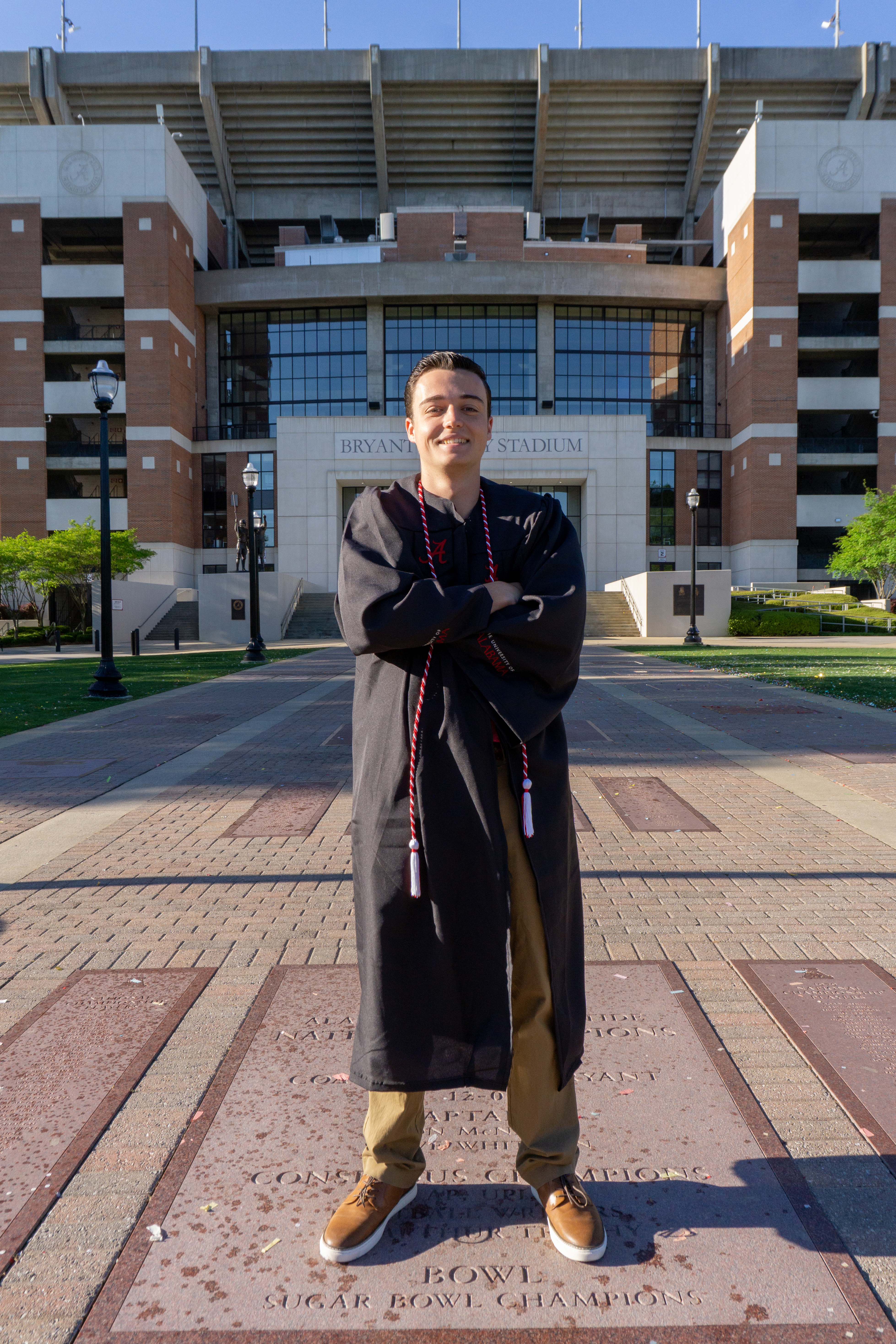
Sandra Conn, 80, traveled from Belfast, Ireland, to Concord in summer 2026 to stand at the grave of a man she calls her great-great-great-great-great-uncle. Dr. John Cuming, born in Concord in 1728, was a physician, land speculator and town moderator who bequeathed funds that helped establish Harvard Medical School. He also enslaved at least two men: Brister Freeman and a man known as Jem.
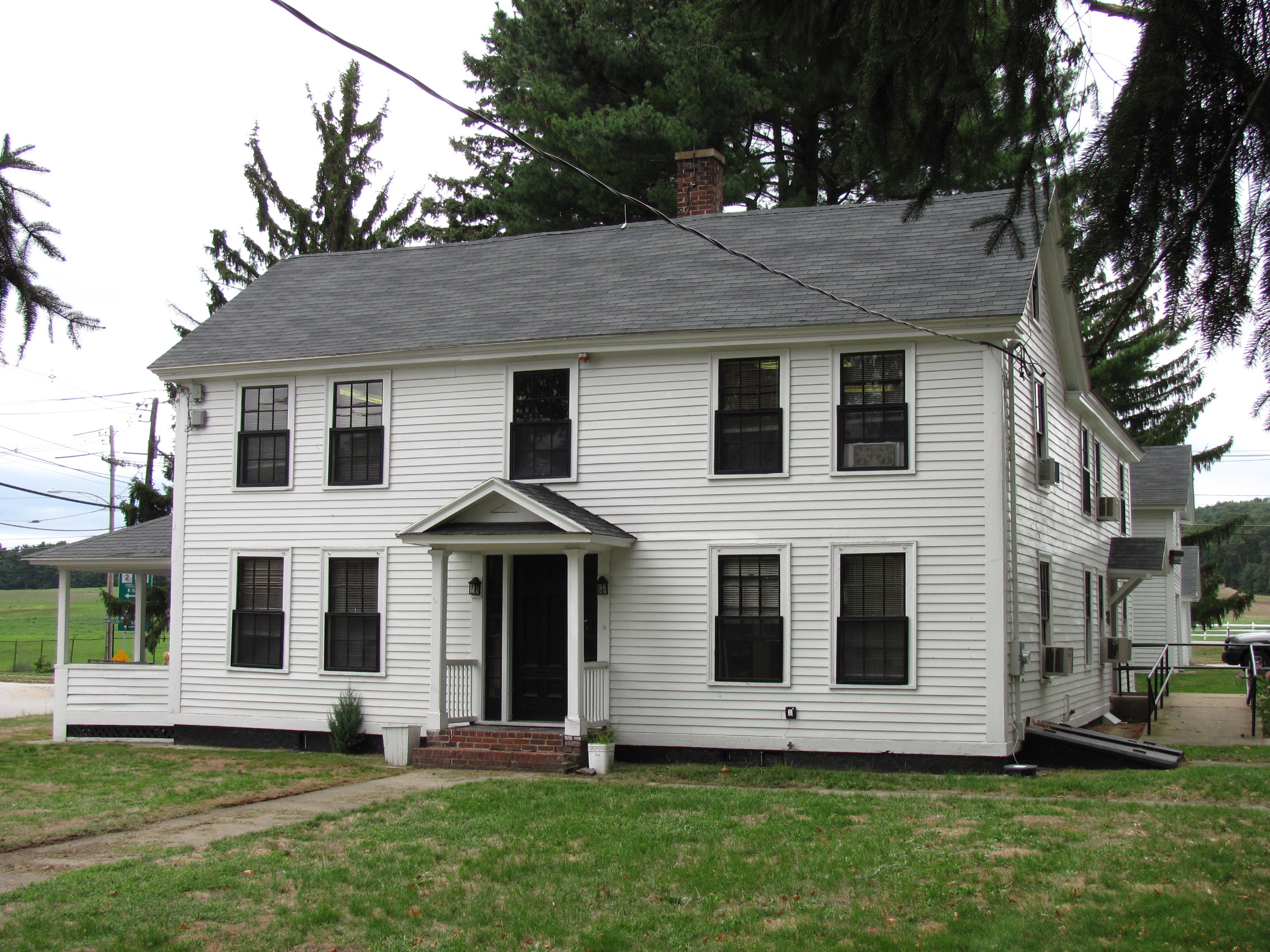
Conn's visit has coincided with a push to preserve and recontextualize Cuming's 1754 Elm Street home, a National Register property used as office space by the Massachusetts Department of Correction near the Route 2 rotary. Elise Lemire, a retired literature professor at the State University of New York (SUNY) Purchase and a visiting scholar at Harvard Divinity School, launched a website, freemancuminghouse.org, to rally support for protecting the house as the rotary undergoes a major redesign.
The house could be "a place where you tell two stories that are deeply intertwined … You don't erase one or the other," Lemire told The Concord Bridge.
Lemire, who won the Thoreau Society's Walter Harding Distinguished Achievement Award in 2025, wrote the 2009 book "Black Walden." It traces how Freeman and other formerly enslaved people settled in Walden Woods after emancipation. She said Cuming was the most important person in Concord before Ralph Waldo Emerson moved there in 1834.
Freeman was enslaved by Cuming starting at age 9. He gained his freedom 25 years later after serving in the American Revolution. Lemire identifies Freeman as the second person of African heritage to own property in Concord. Brister's Hill near Walden Pond bears his name, and Henry David Thoreau documented his life in "Walden."
Their graves tell the contrast. At Old Hill Burying Ground, Cuming's prominent stone stands beside those of his wife and only daughter. The final resting places of the people he enslaved are not marked.
Lemire said she wants the house to keep Cuming's name while also honoring Freeman's contributions and drawing attention to wealth disparities that persist. She acknowledged she is acting alone in the effort for now.
The Route 2 rotary serves more than 50,000 daily commuters and carries an F traffic rating, according to a May 2026 stakeholder meeting organized by state officials. Early drafts of the MCI-Concord site redesign, which encompasses the area near the rotary, were described as "housing-heavy" in a June 2026 planning session. No official planning body has publicly addressed whether the Cuming House will be preserved in those plans.
Conn, born in London and adopted as a baby, did not begin researching her biological family until about two decades ago, after her parents died. A cousin pointed her to "Black Walden," and she reached out to Lemire. The two toured Concord together, visiting Cuming's gravesite.
Emerson Hospital removed the Cuming name from a medical office building in 2024. CEO Eric Schuster said at the timethat the hospital's goal was not to erase history but to better align its facilities with its values.
Conn said she was disappointed by that decision. "You can't change history, and there's no point getting upset now, because you can't do anything about the past," she said.
Upcoming
Lemire presents "Transcendentalism, Memorialization, and Harvard's Slavery History" at Harvard Divinity School on Monday, Nov. 16, at noon. The talk is open in-person and online.