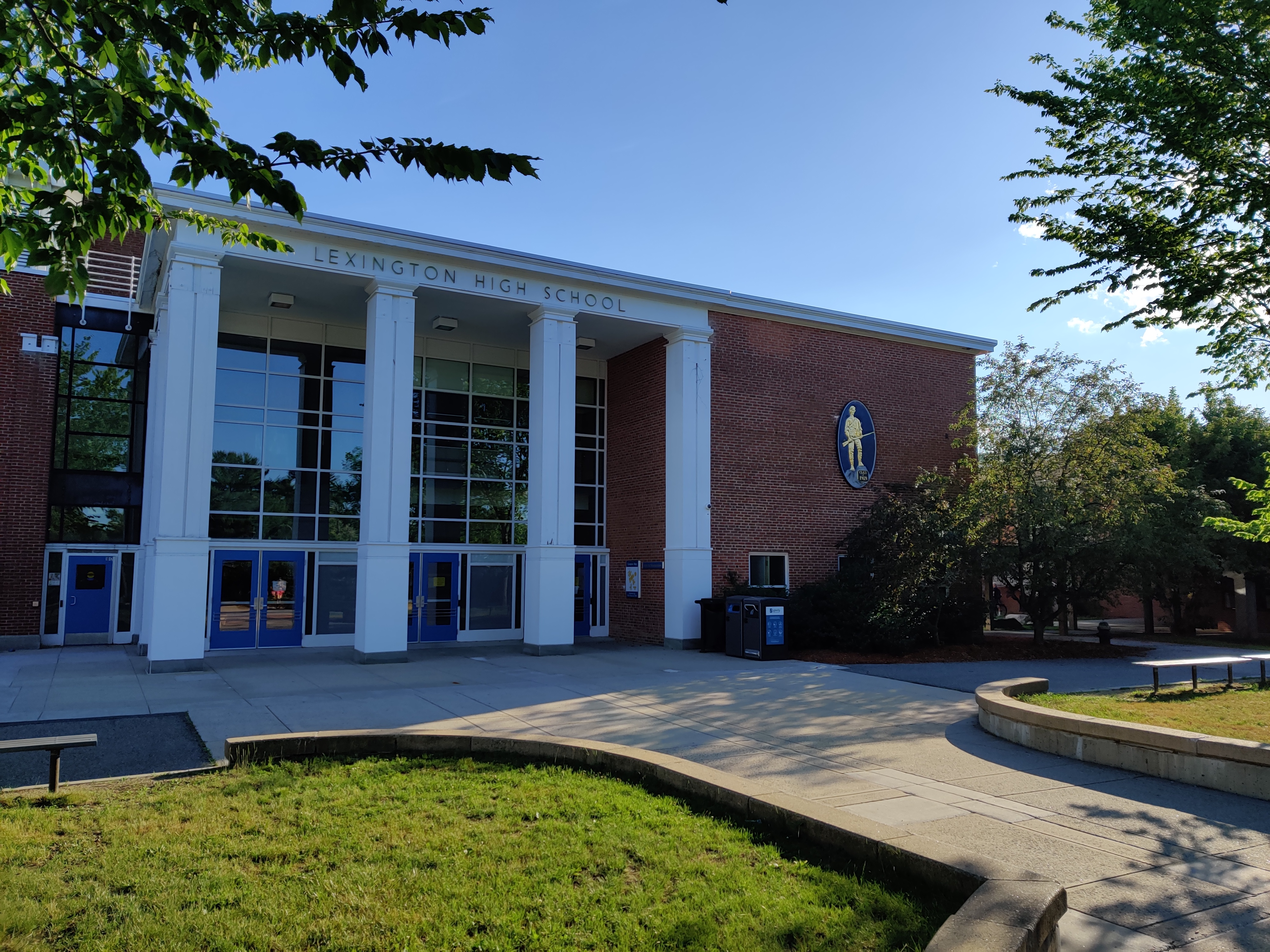
The new Lexington High School can proceed as designed after the Massachusetts Department of Environmental Protection sided with the town in a wetlands dispute that stalled construction for three months.
MassDEP issued a superseding order on Sept. 30 affirming the Lexington Conservation Commission's conditions for the project at 251 Waltham St., as the Lexington Observer first reported. No design changes are required, though the project must still comply with the Conservation Commission's conditions from June.
The ruling ends a construction halt near wetlands on the property that began in July, after a group of residents filed an appeal arguing the Conservation Commission's conditions did not adequately protect on-site wetlands. The residents contended that under the Wetlands Protection Act (310 CMR 10.00), the School Building Committee must evaluate and, if feasible, adopt a design that avoids on-site wetlands.
MassDEP representative Jill Provencal surveyed the property on Aug. 27. The department determined the project meets performance standards under the law and affirmed the Conservation Commission's approval.
Delay adds $1M–$2M
Town Manager Steve Bartha told the Select Board on Oct. 6 that the three-month halt will likely add between $1 million and $2 million to the total project cost. He attributed the increase to construction-cost escalation, resequencing, schedule compression, premium time and shifting more work into winter months.
That money comes from the contingency budget.
"From the project team's perspective, this decision was certainly a relief but not a surprise given all of the approvals in place already for the high school building project," Bartha said.
The new high school remains on track to open for the 2029–2030 school year, assuming no further appeals. If no appeal is filed, the construction team expects to resume work on the property's wetlands later in October.
Further delays could cost tens of millions
Bartha warned that residents still have the opportunity to file additional appeals. The financial stakes climb steeply with each delay.
Pushing the opening to December 2029 could add roughly $20 million. A delay to summer 2030 or later could add at least $30 million and potentially exhaust the contingency budget.
At the Select Board's Aug. 17 meeting, before MassDEP ruled, Bartha had projected the delay could cost $2.5 million to $5 million if construction resumed by Oct. 1. The final $1 million to $2 million estimate came in lower because MassDEP issued its order on Sept. 30, one day ahead of that deadline.
Bartha noted at the August meeting that the project has won approval from the Select Board, Town Meeting, voters, financial committees, the state legislature and the Conservation Commission. The Massachusetts School Building Authority and the Executive Office of Energy and Environmental Affairs also support it.
Assistant Town Manager for Finance Carolyn Kosnoff told the Select Board at the same meeting that the first tranche of municipal bond debt for the project was planned at $125 million, covering spending through June 2027.
No response from the resident appellants appears in the available public record as of publication.