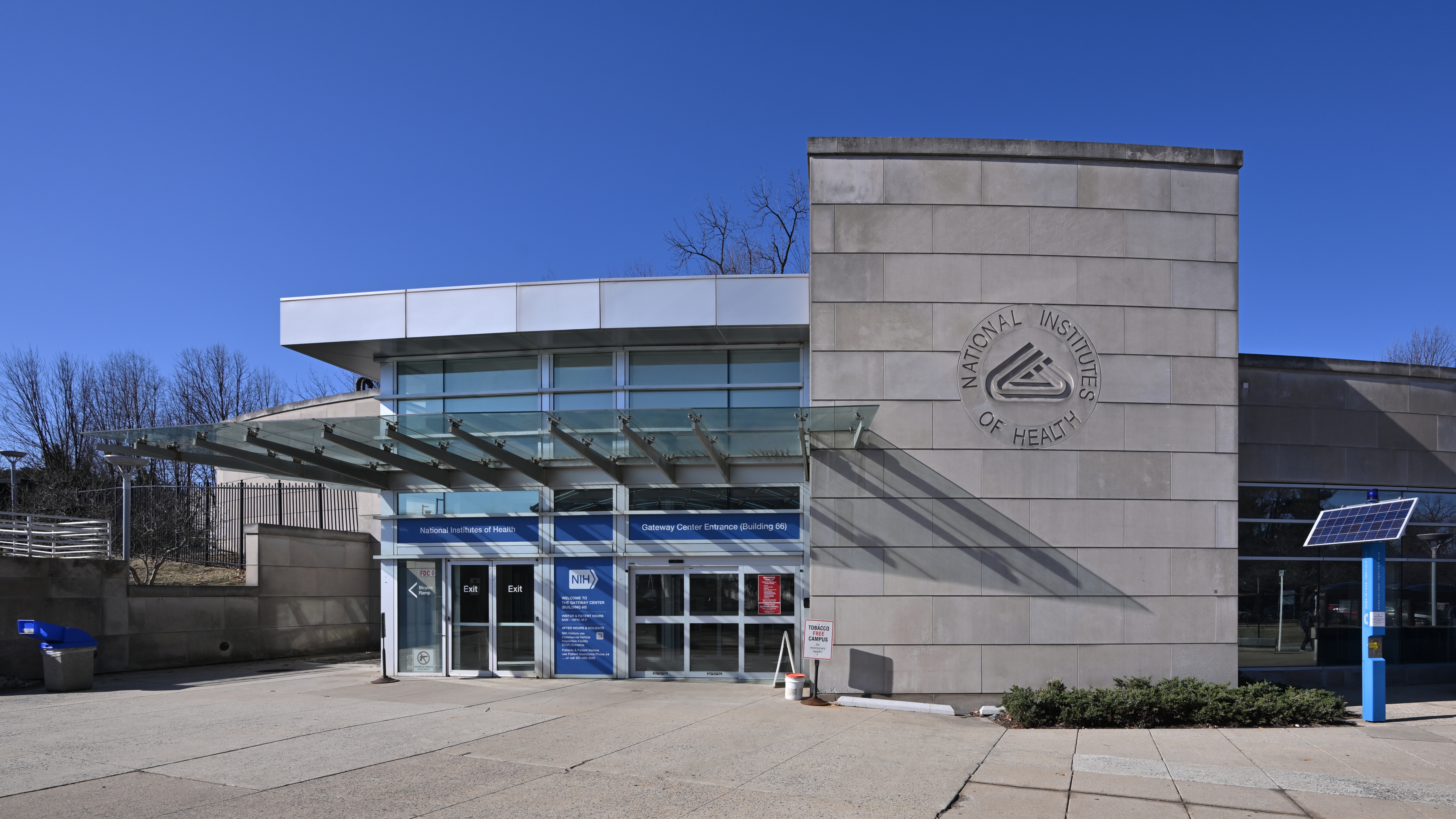
The National Institutes of Health is betting $2.2 million on a Lexington resident's plan to use artificial intelligence to decode how bacteria in the human body interact with disease over time.
Chao Zhang, an assistant professor of medicine and computational biomedicine at Boston University's Chobanian & Avedisian School of Medicine, received the five-year grant from the NIH's National Institute of General Medical Sciences, BU announced Thursday, Aug. 13. The Lexington Observer also reported the award the same day.
The grant funds a project titled "A Deep Learning Framework for Discovering Temporal Changes in Host-Microbiome Interactions." In plain terms, Zhang's team will build AI tools to track how the trillions of microbes living in and on the human body change their relationship with the immune system over months and years.
The work has three goals: mapping how immune cells respond to shifting microbial communities, uncovering why some patients develop drug resistance, and figuring out how gut bacteria alter the body's genetic switches through a process called epigenetic modification.
A competitive award
The R35, known as a Maximizing Investigators' Research Award, is highly competitive. It gives researchers more stability and flexibility than traditional NIH funding and accounts for more than 60% of NIGMS's major research awards, according to the institute's program page. Zhang holds a Ph.D. in computer science and a master's in statistics from the University of Missouri.
Cancer and treatment connections
Zhang's lab also collaborates beyond BU. With researchers at Weill Cornell Medicine, his team is investigating how microbiomes in the upper gastrointestinal tract contribute to cancer development and early detection. A separate project with physicians at Boston Medical Center explores whether a patient's microbiome profile can predict how well they'll respond to immune checkpoint inhibitor therapy, a common cancer treatment.
Zhang developed his approach during his doctoral training, when he built a method to quantify microbiomes from small biopsy samples. That technique lets researchers extract microbiome data from existing tissue samples that weren't originally collected for that purpose.
The grant covers five years. No community presentations or public milestones tied to the research have been announced.