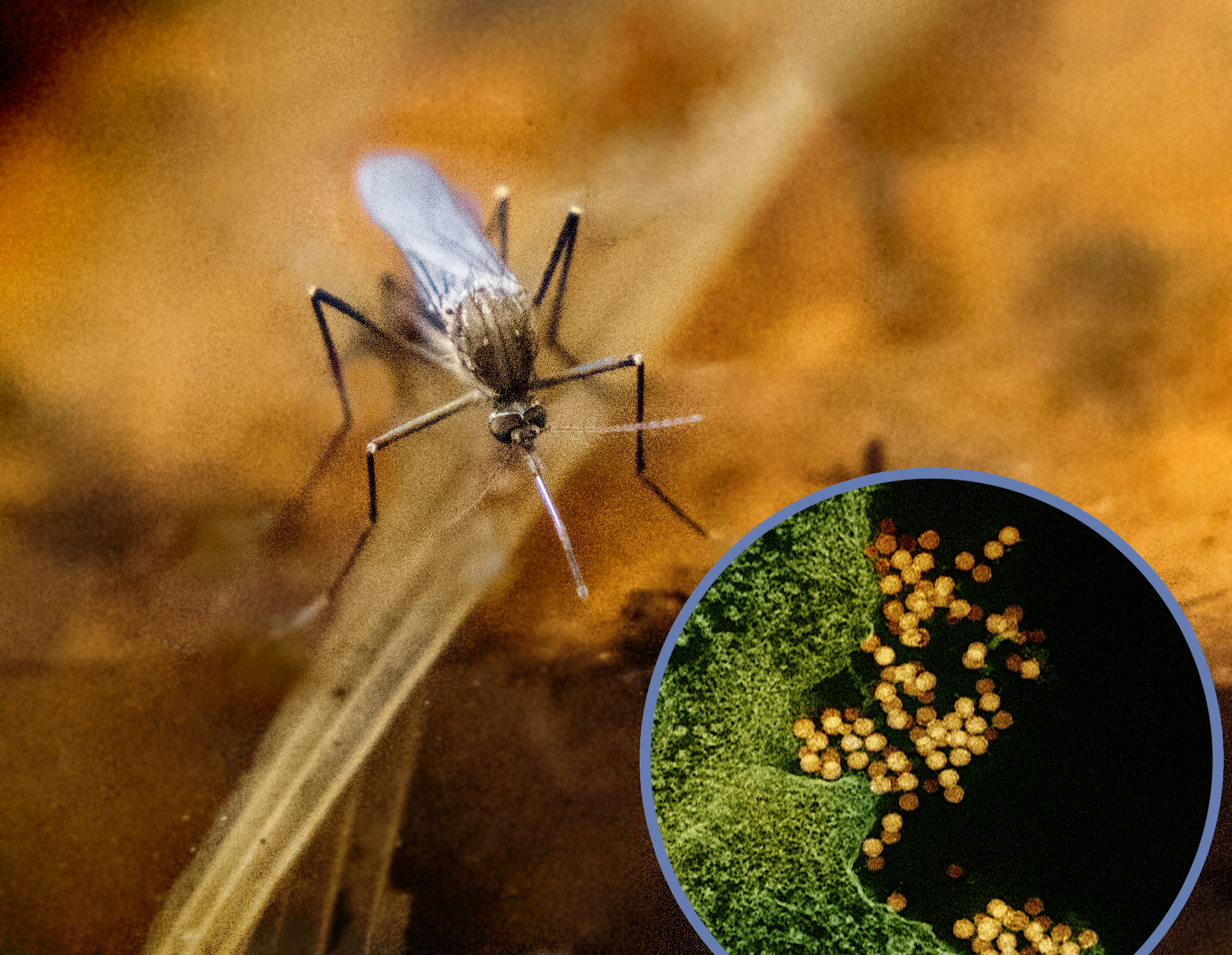
Mosquitoes collected in Lexington have tested positive for West Nile virus, the Massachusetts Department of Public Health (DPH) announced Thursday, Sept. 17.
The positive samples mark the first time this season that the virus has been detected within Lexington town limits. Earlier findings had turned up in neighboring communities including Bedford, Maynard, Acton, Carlisle and Sudbury. Waltham and Provincetown also had positive samples in the Sept. 17 announcement.
The Lexington Health Department said it is working closely with the DPH and the East Middlesex Mosquito Control Project in response.
Statewide picture
Massachusetts had confirmed seven human cases of West Nile virus as of Sept. 11, state health officials reported. Six of those involved residents exposed in Middlesex and Suffolk counties. Across 13 counties, 307 mosquito samples had tested positive since the season's first detection June 16, according to Hoodline.
The statewide risk level stood at moderate for most of Massachusetts as of Sept. 11, with 11 municipalities rated high risk, including Boston, Cambridge, Newton and Watertown, MassLive reported.
Public Health Commissioner Robbie Goldstein said Sept. 11, when the seventh case was announced, that mosquitoes will remain active until the first hard frost. He urged residents to keep using repellent and to wear long sleeves and pants outdoors.
The detection in Lexington follows weeks of rising concern in the area. Kayleigh Watson, regional epidemiologist for the Great Meadows Public Health Collaborative, said at a safety event at the Concord Free Public Library on Sept. 4 that the virus was already close. "It is out there," Watson said, as The Concord Bridge reported. "It could be in our region."
How to protect yourself
The Lexington Health Department recommends residents take these steps:
- Wear long sleeves and pants for prolonged periods outdoors.
- Be aware mosquitoes are most active at dusk, dawn and during the night.
- Use insect repellent containing DEET, permethrin, picaridin, IR3535 or oil of lemon eucalyptus. DEET products should not be used on infants under two months old and should be used at concentrations of 30% or less on older children. Oil of lemon eucalyptus should not be used on children under three.
- Remove standing water from your property.
- Repair holes in window and door screens.
- Keep swimming pools clean and properly chlorinated.
Most people infected with West Nile virus show no symptoms. About 20% may develop fever, headaches, nausea, body aches or rash, according to the Lexington Health Department. People over 50 face higher risk of severe illness.
The DPH updates its arbovirus risk map daily. Residents with questions can reach the DPH Division of Epidemiology at 617-983-6800.