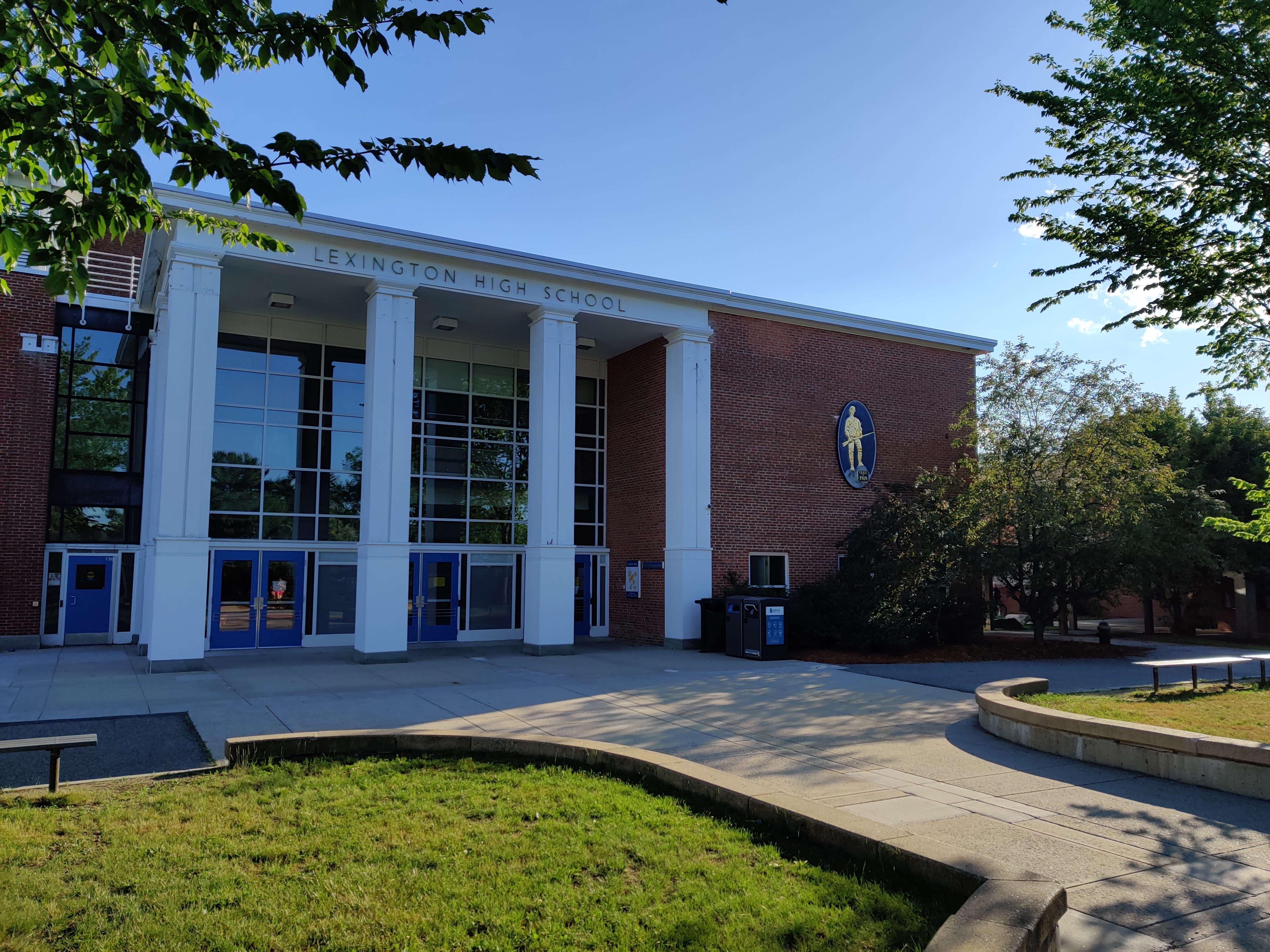
Rajarshi Mandal, a 16-year-old Lexington High School junior, has won a $50,000 Davidson Fellowship for a math model that optimizes how malaria-preventing mosquito nets are distributed worldwide.
Mandal is one of more than 20 students nationwide to earn the scholarship this year. The Davidson Institute, a national nonprofit supporting gifted young people, calls the fellowship one of the most prestigious honors for students 18 and younger. The program has awarded more than $10 million in scholarships since 2001.
His project tackled a real-world gap. About 200 million insecticide-treated nets are handed out each year, mostly divided by population. That method ignores mosquitoes developing resistance to insecticide, seasonal spikes in transmission and nets wearing out over time.
Mandal built a simulation of how malaria spreads under those changing conditions, then used it to figure out where each net would do the most good. In testing, his approach prevented twice as many infections using the same number of nets.
The results matter at scale.
"It encourages me to keep working on problems where better decisions save lives," Mandal said on his Davidson Institute profile.
The project grew from an unexpected starting point. Mandal said he began the work after watching New York Times footage of fishermen weaving donated nets into fishing dragnets because they were the only mesh available.
He refined the model with guidance from researchers in the field. Dr. Clara Champagne of the Swiss Tropical and Public Health Institute advised him on a technical challenge called backward bifurcation, which helped confirm his simulation could sustain malaria transmission at realistic biting rates. Dr. Seth Irish, a technical officer at the World Health Organization's Global Malaria Programme, provided perspective on operational realities of net distribution.
Mandal also participated in the Non Trivial Research Scholars Program, where he learned to evaluate his own impact claims against what workers in the field actually encounter.
Beyond the lab, Mandal has performed piano twice at Carnegie Hall and holds a black belt in karate. On his Davidson profile, he writes that he is learning Liszt's "La Campanella" and teaching himself to beatbox.
He plans to study math and computer science in college.
The 2026 Davidson Fellows class includes three $100,000 recipients, six $50,000 recipients and additional winners at the $25,000 level. Mandal is one of six $50,000 honorees, alongside students from Florida, Texas, New Jersey, New York and Pennsylvania.