Ty Andrews, a 36-year-old climber who grew up in Concord, summited Mount Everest in 9 hours and 55 minutes on May 28, shattering a record that had stood untouched since 2003.
How the run went down.
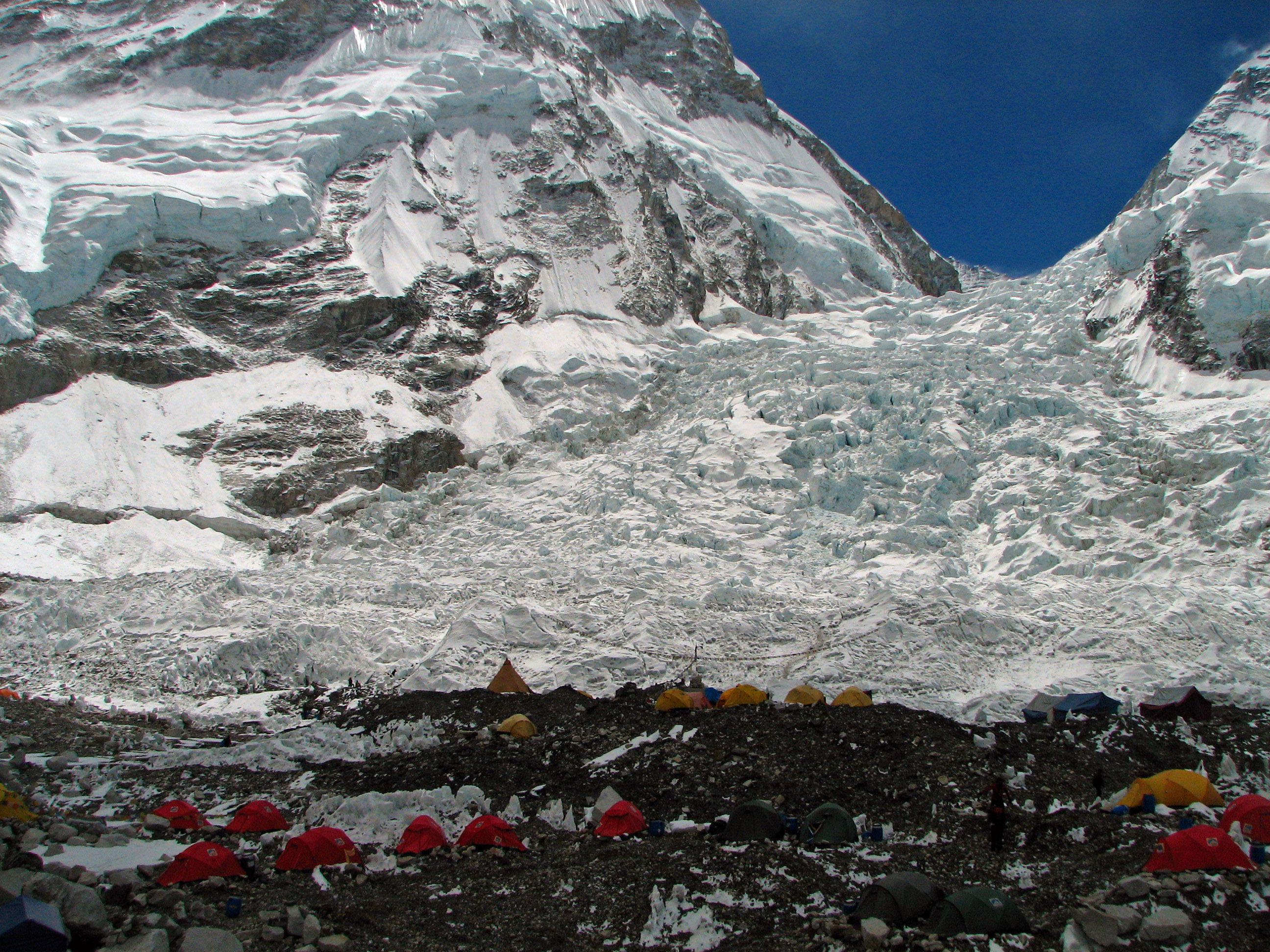
Andrews left Base Camp at 7:11 p.m. and stood atop the world's highest peak by 5:06 a.m. — shaving more than an hour off the previous mark of 10 hours, 56 minutes and 46 seconds, set by Lhakpa Gelu Sherpa and recognized by Guinness World Records. Both records were set using supplemental oxygen, meaning this wasn't a fluke; it was a head-to-head comparison, and Andrews came out on top by a wide margin.
The training behind the breakthrough.
Andrews, who lives in Quito, Ecuador, trained with Human Powered Health's performance lab in Wellesley to prep for the attempt, working with master's- and PhD-level physiologists who said they helped "dial in his training, testing his limits to ensure his body was fully primed for the ultimate test of human endurance." The summit capped three expeditions and eight attempts stretched across a full year, with Andrews sinking "well into six figures" of his own money into the pursuit.
An altitude regimen most athletes couldn't survive.
Andrews trains year-round at 16,000 feet and above, but for this push he added laps on 21,250-foot Mera Peak and 27,838-foot Makalu, plus stationary bike sessions breathing through a hypoxic system simulating roughly 36,000 feet. "I think I was probably the most well-acclimated person on Earth," Andrews said. "I'm not trying to be arrogant, but I was using the hypoxic generator for the last month at 11,000 meters every day — that's ten hours a week, on a bicycle." Longtime running partner Chris Fisher joined him through the notoriously dangerous Khumbu Icefall on the record attempt.
The résumé behind the record.
Andrews is a childhood cancer survivor who's run professionally for more than a decade — a two-time U.S. Olympic Trials qualifier in the marathon and a world champion ultrarunner already holding more than 90 mountain speed records, including fastest known times on Manaslu, Kilimanjaro, Aconcagua and Ama Dablam. This Everest mark now sits at the top of that resume.
What's next.
Andrews says he's "definitely done with the south side" of Everest and will "never go through the icefall again," though he hasn't ruled out a future crack at the north side. For now, he's refocusing on elite trail running. Sponsors La Sportiva and the Chaski Foundation say a documentary on his Everest expeditions is planned for late 2026.