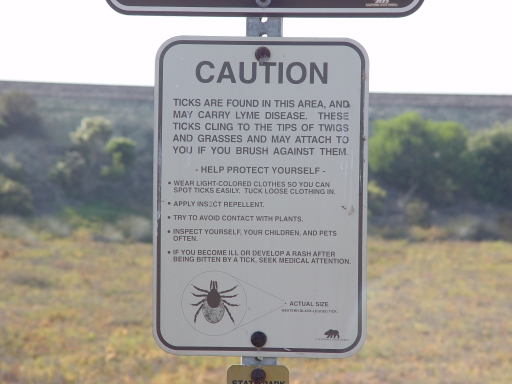
Concord health officials are urging residents to prevent tick bites after reporting two cases of alpha-gal syndrome, an allergy associated with lone star ticks that can cause serious reactions to mammalian meat and other products.
One case involved a resident bitten years earlier on Martha’s Vineyard. The second originated locally, Board of Health Chair Dottie Bernard said, according to The Concord Bridge’s July reporting.
Public Health Director Melanie Dineen warned that lone star ticks had probably reached Concord as the species expands its range.
What alpha-gal syndrome does
Alpha-gal is a sugar found in most mammals. A tick bite can trigger an immune response that causes allergic reactions after a person eats red meat or encounters other products containing alpha-gal, according to the Centers for Disease Control and Prevention.
Symptoms commonly appear two to six hours after exposure and can include hives, nausea and life-threatening anaphylaxis. Some patients also react to dairy or other mammal-derived ingredients.
There is no established cure, although sensitivity can diminish in some patients. Preventing additional tick bites is an important part of managing the condition.
The CDC estimates that as many as 450,000 Americans may be affected. The actual number is unknown.
Tick-bite visits rise at Emerson
Emerson Hospital recorded 65 emergency department patients with tick-related complaints from March 1 through June 18, 2026, compared with 43 during the same period in 2025—a 51% increase, The Concord Bridge reported.
Those visits involved tick bites generally and do not establish how many were caused by lone star ticks.
Concord Bridge columnist Wilson Kerr described encountering four lone star ticks over two days while working outdoors on Martha’s Vineyard in May. In his Oct. 11 column, he noted the species’ expansion in Massachusetts and urged readers to take precautions.
Massachusetts began requiring healthcare providers and laboratories to report alpha-gal syndrome on April 1, 2026. DPH Commissioner Robbie Goldstein established the requirement following a March 19 announcement, according to state guidance.
How residents can protect themselves
The CDC recommends using EPA-registered insect repellent, treating clothing and gear with permethrin as directed, and checking for ticks after spending time outdoors. Residents should also examine children, pets and outdoor equipment. CDC prevention guidance
People who develop symptoms after eating meat or other mammal-derived products should contact a healthcare provider or allergist. Trouble breathing or other signs of a severe allergic reaction require immediate emergency care.